

Head & Neck Conditions
Head & Neck Conditions in Children Petaling Jaya, Malaysia
Children can develop a range of conditions affecting the head, neck, throat and related structures. Some are present from birth, while others develop during childhood. These may include neck lumps, congenital cysts, lymph node enlargement and other conditions that may require specialist assessment. At Dr Nada’s paediatric surgical practice in Malaysia, each child is assessed individually based on their symptoms, medical history, examination and investigation results. Treatment may involve observation, medical care or surgery, depending on the condition.
What Are Head and Neck Conditions in Children?
Head and neck conditions in children can affect the skin, soft tissues, lymph nodes, neck structures and areas around the throat. Some conditions are congenital, meaning they develop before birth, while others may appear later.
A lump or swelling in a child’s neck can have many possible causes. Most childhood neck lumps are not serious, but some require further assessment to identify the underlying cause.A proper medical examination helps determine whether further investigations or treatment are needed.
Common Head and Neck Conditions
Children may develop different types of head and neck conditions. These can include congenital neck cysts, enlarged lymph nodes, branchial cleft abnormalities, thyroglossal duct cysts and other soft tissue conditions.
Some children may also require assessment for conditions involving the salivary glands, thyroid or other structures in the neck.The appropriate treatment depends on the specific diagnosis, the child’s symptoms and the findings from clinical assessment and investigations.

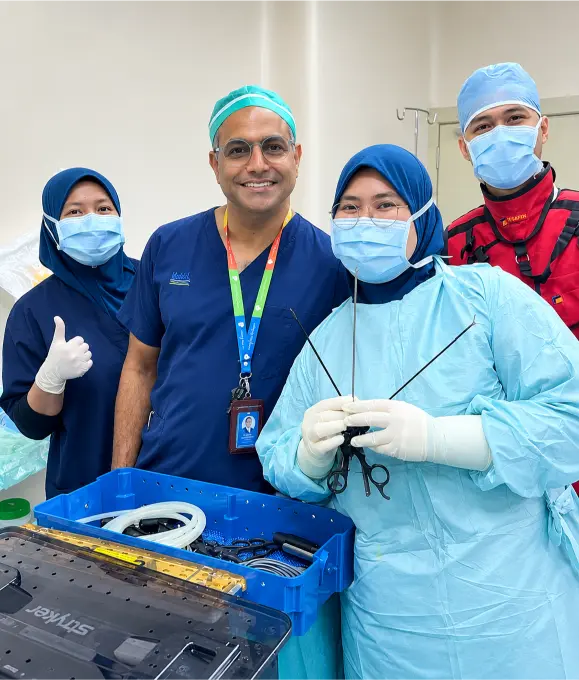
Paediatric Neck Lumps
Paediatric neck lumps are relatively common and can occur for several reasons. Enlarged lymph nodes may develop during or after an infection, while some lumps may be related to congenital conditions.
Parents should not assume that every neck lump is a cyst or requires surgery. The doctor will assess the lump, including its location, size, appearance and how long it has been present.Further investigations, such as an ultrasound scan, may be recommended when needed.
Symptoms to Look Out For
The signs of a head or neck condition vary depending on the underlying cause. A child may have a lump or swelling, tenderness, difficulty swallowing, changes in the voice or discomfort in the neck.
Some children may have no symptoms apart from a visible lump.
If a neck swelling increases in size, becomes painful, persists or is associated with difficulty breathing or swallowing, medical assessment should be sought.These symptoms can have many causes and do not by themselves indicate a condition requiring surgery.
How Are Head and Neck Conditions Diagnosed?
Diagnosis usually begins with a medical history and physical examination. The doctor will assess the child’s symptoms and examine the affected area. Depending on the findings, investigations may include an ultrasound scan, blood tests or other imaging studies. The choice of investigation depends on the suspected condition and the child’s individual circumstances. Accurate diagnosis helps the medical team decide whether observation, medical treatment or surgery is appropriate.
Paediatric Head and Neck Surgery
Paediatric head and neck surgery involves procedures used to treat selected conditions affecting a child’s head and neck.
Surgery may be considered for certain congenital cysts, persistent or problematic neck lumps and other conditions where surgical treatment is appropriate.
The type of procedure depends on the location and nature of the condition, the child’s age and overall health. Parents will be informed about the proposed treatment and potential risks before surgery.
Children’s Head and Neck Surgery
Children require surgical care that takes into account their age, size and development. The surgical approach is therefore planned according to the individual child rather than using the same treatment for every condition.
Some procedures may be performed as day surgery, while others may require hospital care. The expected care depends on the type of procedure and the child’s individual needs.
Minimally Invasive Surgery
For selected conditions, minimally invasive techniques may be considered. These procedures use specialised instruments and, where appropriate, smaller surgical incisions.
Not every head and neck condition can be treated using a minimally invasive approach. The choice of technique depends on the diagnosis, location of the condition and the child’s overall health.
The surgical team will discuss the most appropriate approach with parents before treatment.
Risks and Recovery
Like any medical procedure, paediatric head and neck surgery can involve risks. These may include infection, bleeding, pain, scarring or injury to nearby structures, depending on the procedure.
Recovery varies between children and depends on the type and extent of surgery. Parents will receive individual advice about wound care, activity, pain management and follow-up.
The medical team will also explain any warning signs that may require further assessment after surgery.
Paediatric Head and Neck Care With Dr Nada
Dr Nada provides assessment and surgical care for children with selected head and neck conditions.
Each child is assessed based on their medical history, symptoms, examination findings and investigation results. Where surgery is considered, parents can discuss the proposed procedure, possible risks, alternatives and follow-up care.
The aim is to ensure that treatment decisions are based on the child’s individual condition and clinical needs.
When Should Parents Seek Medical Assessment?
Parents should arrange a medical assessment if a child develops a persistent neck lump, a lump that continues to increase in size, unexplained swelling or other concerning head and neck symptoms.
A neck lump associated with difficulty breathing or swallowing requires prompt medical attention.
Not every neck lump requires surgery. Appropriate assessment helps determine the cause and whether specialist paediatric surgical care is needed.
Frequently Asked Questions
They are conditions affecting areas such as the neck, throat, lymph nodes, soft tissues and other structures of the head and neck. Some are congenital, while others develop during childhood.
No. Neck lumps can have many causes, including enlarged lymph nodes following an infection. However, a persistent or changing lump should be assessed by a medical professional.
No. Treatment depends on the cause. Some lumps can be monitored, while others may require medical treatment or surgery.
An ultrasound scan is commonly used to assess a neck lump. Depending on the clinical findings, other tests or imaging may also be recommended.
It refers to surgical procedures used to treat selected conditions affecting a child's head and neck. The type of surgery depends on the diagnosis and individual circumstances.
Intussusception can recur in some children. If symptoms return after treatment, the child should receive medical assessment.