

Colonic Atresia
Colonic Atresia Neonatal Surgery Treatment in Malaysia
Colonic atresia is a rare congenital condition where part of a newborn’s colon does not develop a normal passage. This blockage can prevent intestinal contents from moving through the bowel and may cause signs of intestinal obstruction soon after birth. Early assessment by a paediatric surgical team is important when colonic atresia is suspected.
What Is Colonic Atresia?
Colonic atresia occurs when a section of the large intestine is completely or partially blocked from birth. Since the affected bowel cannot allow normal passage of intestinal contents, a newborn may develop abdominal swelling, vomiting and difficulty passing meconium. The severity and presentation can vary between babies, so assessment is needed to determine the cause of the obstruction.
Signs and Symptoms
Newborns with colonic atresia may develop abdominal distension, vomiting, feeding difficulties and delayed or absent passage of meconium. Vomiting may sometimes be green or bile-stained. These symptoms can also occur with other causes of neonatal intestinal obstruction, so they should not be used to diagnose colonic atresia on their own.
Diagnosis of Colonic Atresia
Diagnosis involves a clinical assessment of the newborn together with appropriate investigations. Abdominal imaging may be used to look for signs of bowel obstruction, while a contrast enema can help identify the level of the blockage and assess the distal colon. The surgical team may also consider the baby’s overall condition and look for associated bowel abnormalities when planning care.

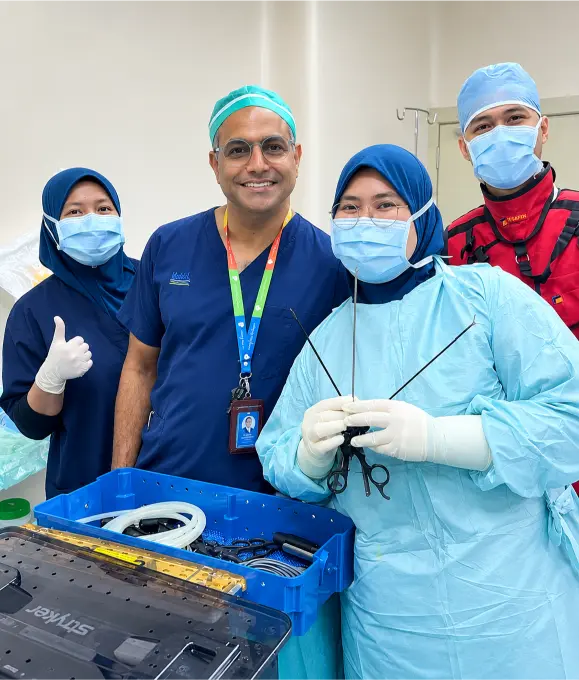
Colonic Atresia Neonatal Surgery Treatment
When colonic atresia results in significant bowel obstruction, surgery is generally required to restore the passage through the intestine. The procedure depends on the location of the atresia, the condition of the bowel and the newborn’s overall health.
Surgery may involve removing the affected section and joining the healthy ends of the colon when this is appropriate. In some situations, a temporary stoma may be required before bowel continuity can be restored. The surgical approach is determined after assessing the individual newborn, and the same procedure may not be suitable for every child.
Before surgery, the newborn may require supportive care to correct dehydration or electrolyte disturbances and to manage the bowel obstruction. This may include intravenous fluids, stomach decompression and nutritional support when feeding by mouth is not possible.
Laparoscopic or Keyhole Surgery
Laparoscopic surgery, also known as keyhole surgery, may be considered for selected neonatal surgical conditions when clinically appropriate. It involves using small incisions and a camera to access the abdomen.
For colonic atresia, the suitability of a laparoscopic approach depends on factors such as the baby’s stability, bowel distension, anatomy and the complexity of the condition. Open surgery may be more appropriate in some cases. The surgical team will determine the safest and most suitable approach based on the newborn’s clinical assessment.
Recovery and Follow-Up
Recovery following neonatal bowel surgery varies from one baby to another. The duration of hospital care depends on the type of procedure, the baby’s condition and how bowel function and feeding progress after surgery. The medical team will monitor feeding, bowel movements, hydration, wound healing and other aspects of recovery.
Follow-up care is important after discharge to monitor the child’s feeding, growth and bowel function. Parents will receive guidance on feeding, wound care, medications and follow-up appointments according to their baby’s needs.
Colonic Atresia Neonatal Surgery in Kuala Lumpur and Selangor
Dr Nada Sudhakaran provides paediatric surgical assessment for newborns with congenital surgical conditions, including colonic atresia. Parents in Kuala Lumpur, Petaling Jaya and Selangor can discuss their child’s diagnosis and available surgical options with a paediatric surgeon.
Treatment decisions are based on the newborn’s individual clinical condition, investigations and surgical findings. Laparoscopic or open surgery may be considered depending on what is clinically appropriate for the child.
Frequently Asked Questions
Yes. Colonic atresia is a congenital condition, meaning the affected part of the colon does not have a normal passage from birth.
When colonic atresia causes a complete bowel obstruction, surgical management is generally required. The type and timing of surgery depend on the newborn's condition and the findings from clinical assessment and investigations.
Laparoscopic surgery may be considered in selected cases, but it is not suitable for every newborn. The decision depends on the baby's condition, bowel anatomy and other clinical factors.
Recovery varies between babies. Hospital stay and recovery depend on the operation performed, bowel function, feeding progress and the newborn's overall condition.
A newborn with significant abdominal swelling, green vomiting or failure to pass meconium requires prompt medical assessment. These symptoms can indicate bowel obstruction and should be assessed by an appropriate medical team.
Paediatric Surgical Assessment for Colonic Atresia
If your newborn has been diagnosed with or is suspected to have colonic atresia, a paediatric surgical assessment can help determine the cause of the bowel obstruction and the appropriate management options. Contact Dr Nada to arrange a paediatric surgical consultation in Kuala Lumpur or Selangor and discuss your newborn’s condition and available surgical options.