

Heminephrectomy
Paediatric Heminephrectomy: Procedure, Treatment and Recovery
Heminephrectomy is a surgical procedure used in selected children when one part of a kidney is affected by a condition and the remaining healthy portion can be preserved. It is most commonly considered when a child has a duplex or duplicated kidney system in which one kidney segment is poorly functioning or associated with urinary tract problems. The procedure involves removing the affected part of the kidney while preserving the functioning renal tissue where possible. The exact surgical approach depends on the child’s anatomy, kidney function, symptoms and the underlying urinary tract condition. For selected children, heminephrectomy may be performed using laparoscopic or keyhole surgery. The suitability of minimally invasive surgery is assessed individually based on the child’s clinical findings.
What Is a Paediatric Heminephrectomy?
A paediatric heminephrectomy is an operation in which one part of a kidney is removed while the functioning portion is preserved. The kidney is responsible for filtering the blood and producing urine, and some children are born with a duplicated collecting system in which a single kidney has two drainage areas. In certain cases, one part of the duplicated kidney may have reduced function or may be associated with problems affecting urine drainage. Depending on the child’s condition, the affected kidney segment may be considered for removal. The aim of a heminephrectomy is to address the affected renal segment while preserving healthy functioning kidney tissue whenever this is clinically appropriate.
Why Might a Child Need a Heminephrectomy?
Heminephrectomy may be considered in children with certain congenital abnormalities of the urinary system, particularly when a duplicated kidney or collecting system is associated with a poorly functioning renal segment and other urinary tract problems. The affected portion may sometimes be associated with abnormal urine drainage, recurrent urinary infections, urinary leakage or other complications related to the way the urinary tract has developed. Not every child with a duplicated kidney requires surgery. Some children may be monitored when the affected area is functioning adequately or does not cause significant problems. The decision to consider surgery depends on the child’s symptoms, kidney function, urinary tract anatomy and findings from medical investigations.

What Conditions May Be Associated With Heminephrectomy?
A heminephrectomy can be considered for selected children with a duplex kidney or duplicated collecting system. In this condition, a kidney may have two drainage systems rather than the usual single collecting system. Problems can occur when one part of the duplicated system does not function normally or is associated with an abnormal connection to the urinary tract. Some children may also have associated conditions such as ureteric abnormalities or urinary incontinence. The underlying anatomy can vary significantly between children. For this reason, a detailed assessment is important before deciding whether a heminephrectomy is appropriate.
What Are the Signs of an Underlying Kidney or Urinary Tract Problem?
Children with abnormalities involving a duplicated kidney may have different symptoms, and some may not have noticeable symptoms at all. Depending on the underlying condition, a child may experience recurrent urinary tract infections, difficulty with normal urinary control, abnormal urine leakage or other urinary symptoms. Some children may be identified through imaging performed for another reason or during assessment of a known urinary tract abnormality. These symptoms can have several possible causes and do not by themselves indicate that a child requires a heminephrectomy. Proper paediatric assessment and investigation are necessary to determine the cause.
How Is the Condition Diagnosed?
Assessment usually involves reviewing the child’s symptoms, medical history and previous investigations. Imaging plays an important role in understanding the structure of the kidneys and urinary tract.
An ultrasound scan may be used to examine the kidneys and identify structural abnormalities. Additional imaging or functional testing may be recommended when more information is required about kidney function, urine drainage or the anatomy of the duplicated system. Depending on the child’s condition, further urinary tract investigations may also be considered. These assessments help the paediatric surgical and urological team understand which part of the kidney is functioning and whether an operation may be appropriate.
When Is Heminephrectomy Considered?
Heminephrectomy is considered when the clinical and investigation findings indicate that removing an affected renal segment may be appropriate. The decision is not based on the presence of a duplicated kidney alone. The surgeon considers the function of the affected and remaining kidney tissue, urinary tract anatomy, symptoms, recurrent infections and other relevant findings. In some children, observation may be appropriate instead of surgery. Where an operation is being considered, parents can discuss the reasons for the procedure, the available surgical approach and expected follow-up with the paediatric surgical team.
How Is the Heminephrectomy Procedure Performed?
During a heminephrectomy, the surgeon identifies the affected portion of the kidney and separates it from the functioning renal tissue. The affected renal segment is then removed while the remaining part of the kidney is preserved where possible. The exact surgical steps depend on the child’s kidney anatomy and the associated urinary tract abnormality. In some cases, additional treatment of an abnormal ureter or another part of the urinary system may also be considered. The surgical team will explain the planned procedure and any related treatment before the operation.
Laparoscopic Heminephrectomy in Children
Laparoscopic heminephrectomy is a minimally invasive approach that uses small incisions rather than a larger surgical opening. A camera and specialised instruments are introduced through these small openings to allow the surgeon to operate on the affected kidney segment.
Laparoscopic surgery may be considered for children who are suitable for a minimally invasive approach. The decision depends on the child’s age, anatomy, previous medical or surgical history and the complexity of the urinary tract abnormality.
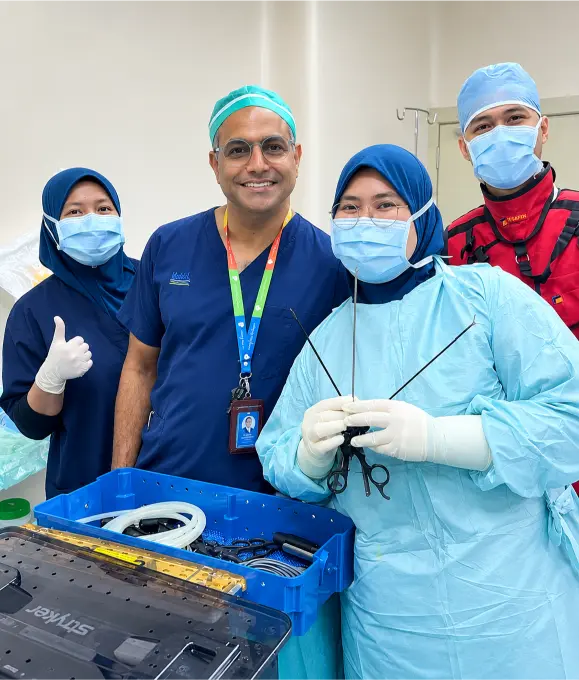
Dr Nada Sudhakaran’s practice lists heminephrectomy under minimally invasive urology and also identifies laparoscopic or keyhole surgery as an area of practice. A keyhole approach is not suitable for every child. The surgical method is selected according to the individual child’s clinical circumstances.
What Happens Before Paediatric Heminephrectomy?
Before surgery, the paediatric surgeon reviews the child’s medical history, symptoms, imaging results and kidney function. This assessment helps determine whether the affected renal segment is suitable for removal and whether the remaining kidney tissue can be preserved.
Parents will receive information about the proposed procedure, the surgical approach, anaesthesia and expected hospital care. The team may also discuss any additional urinary tract procedure that could be required depending on the child’s anatomy. Parents should provide details about their child’s previous medical conditions, allergies, medications and previous operations so the surgical team can plan care appropriately.
Recovery After Heminephrectomy
Recovery following a paediatric heminephrectomy varies between children. Factors such as the child’s age, general health, surgical approach and individual urinary tract condition can influence the recovery process.
After surgery, the child is monitored by the medical team and receives appropriate pain relief and supportive care. Parents are given instructions regarding wound care, medication, physical activity and follow-up before discharge. The treating team will provide specific guidance based on the child’s condition and surgical recovery.
Follow-Up After Heminephrectomy
Follow-up is an important part of care after heminephrectomy. The medical team may monitor the child’s symptoms, urinary health and the remaining kidney tissue through clinical assessment and imaging when appropriate.
Further investigations may be recommended depending on the original condition and the child’s progress after surgery. The type and timing of follow-up vary between children, so parents should follow the review schedule provided by the treating team.
How Does Dr Nada Provide Paediatric Heminephrectomy Care?
Dr Nada Sudhakaran is a Consultant Paediatric Surgeon & Urologist based in Kuala Lumpur. His practice covers paediatric surgery and paediatric urology, with a special interest in laparoscopic or keyhole surgery. The practice website lists heminephrectomy under minimally invasive urology.
When a child is referred for assessment of a kidney or urinary tract abnormality, the relevant medical history and investigation results are reviewed to understand the child’s individual condition.
Paediatric Heminephrectomy in Kuala Lumpur and Selangor
Dr Nada provides paediatric surgical and urological services at Pantai Hospital Kuala Lumpur and Assunta Hospital in Petaling Jaya, Selangor. His practice includes paediatric urology and minimally invasive surgery for selected childhood conditions.
For children being assessed for a possible heminephrectomy, the treatment approach depends on the underlying kidney condition, urinary tract anatomy, kidney function and other clinical findings. Parents can discuss the available options during a paediatric surgical assessment.
Frequently Asked Questions About Paediatric Heminephrectomy
A heminephrectomy is a surgical procedure that removes an affected part of a kidney while aiming to preserve the functioning portion of the kidney where this is clinically appropriate.
It may be considered when part of a duplicated kidney or collecting system is poorly functioning or associated with significant urinary tract problems. The decision depends on the child's individual anatomy, symptoms and investigation results.
Yes, laparoscopic or keyhole heminephrectomy may be considered for selected children. Whether this approach is suitable depends on the child's anatomy, age, medical history and the nature of the condition.
No. Some children with a duplex kidney may not require an operation and can be monitored depending on kidney function, symptoms and urinary tract findings.
After surgery, the child is monitored during the initial recovery period. Follow-up may include clinical assessment and imaging depending on the underlying condition and the child's progress.
Recovery varies between children and depends on factors such as the surgical approach, age, general health and individual circumstances. The treating team will provide specific guidance about recovery and activities after surgery.
Arrange a Paediatric Surgical Assessment
If your child has been diagnosed with a kidney or urinary tract abnormality and heminephrectomy has been recommended or discussed, a paediatric surgical assessment can help explain the condition and available treatment approaches. Enquire about paediatric heminephrectomy assessment and treatment options with Dr Nada in Kuala Lumpur or Petaling Jaya, Selangor.