

Jejunal Atresia
Jejunal Atresia Neonatal Surgery Treatment in Kuala Lumpur, Selangor & Malaysia
Jejunal atresia is a congenital condition in which a section of a newborn’s small intestine does not form a normal open passage. This can prevent milk and intestinal contents from passing through the bowel and may result in intestinal obstruction. When jejunal atresia is suspected or diagnosed, early assessment is important so that the baby’s condition can be evaluated and appropriate care can be planned. Dr. Nada Sudhakaran provides paediatric surgical assessment for neonatal surgical conditions, including jejunal atresia, for families in Kuala Lumpur, Petaling Jaya, Selangor and Malaysia. The choice of treatment depends on the baby’s condition, the location and extent of the obstruction, the condition of the bowel and other clinical findings.
What Is Jejunal Atresia?
The jejunum is the middle section of the small intestine, located between the duodenum and ileum. In jejunal atresia, part of the intestine is blocked or does not have a normal connection with the bowel beyond it. Because intestinal contents cannot pass normally through the affected section, the bowel above the blockage may become enlarged. Jejunal atresia is a type of small bowel atresia that develops before birth. It may occur as an isolated intestinal problem or alongside other congenital abnormalities. The condition may be suspected during pregnancy or become apparent when the newborn develops symptoms of intestinal obstruction after delivery.
Signs and Symptoms of Jejunal Atresia in Newborns
The symptoms of jejunal atresia can vary depending on the location and extent of the obstruction. A newborn may develop abdominal swelling, feeding difficulties or vomiting, which may sometimes be bile-stained. Problems passing stool can also occur because intestinal contents cannot move normally through the affected section of bowel.
These signs can also occur with other neonatal conditions, so they do not by themselves establish a diagnosis of jejunal atresia. A newborn with suspected intestinal obstruction requires assessment by the appropriate medical team.

How Is Jejunal Atresia Diagnosed?
Jejunal atresia can sometimes be suspected before birth during routine pregnancy imaging. An ultrasound examination may show enlarged bowel loops or an increased amount of amniotic fluid. However, prenatal imaging does not identify every case, and some babies are diagnosed only after birth.
Following delivery, the medical team may assess the baby’s abdomen and feeding history and perform imaging such as an abdominal X-ray. Further investigations, including ultrasound or contrast imaging, may be considered depending on the clinical findings. Blood tests and other assessments may also be carried out to evaluate the baby’s general condition and prepare for further management.
What Happens Before Surgery?
A newborn with suspected intestinal obstruction may first require stabilisation. Oral feeding may be temporarily stopped while the medical team assesses the obstruction. A tube may be placed through the nose or mouth into the stomach to remove accumulated fluid and air, while intravenous fluids can help maintain hydration and support the baby’s condition.
The neonatal and surgical teams may also monitor the baby’s electrolyte levels, nutrition and general health. These initial measures help prepare the newborn for further assessment and, when necessary, surgical treatment.
Jejunal Atresia Neonatal Surgery Treatment
When jejunal atresia causes a significant intestinal obstruction, surgery is generally required to restore the continuity of the bowel. The timing of surgery depends on the baby’s overall condition and the findings from the clinical assessment.
During the operation, the surgeon examines the intestine to identify the affected section and assess the condition of the surrounding bowel. If necessary, the abnormal or severely affected portion may be removed. The healthy ends of the intestine can then be joined together to restore a passage for intestinal contents. This surgical connection is known as an anastomosis.
The procedure is not identical for every newborn. The surgical approach depends on factors such as the location of the atresia, the length and condition of the remaining bowel, whether there are additional areas of obstruction and the baby’s overall medical condition. In more complex situations, a temporary stoma or staged surgical management may be considered.
Laparoscopic or Keyhole Surgery for Selected Cases
Laparoscopic surgery, also known as keyhole surgery, involves using a camera and specialised instruments through small openings in the abdomen. It can allow the surgeon to examine and operate within the abdominal cavity without using a conventional larger incision.
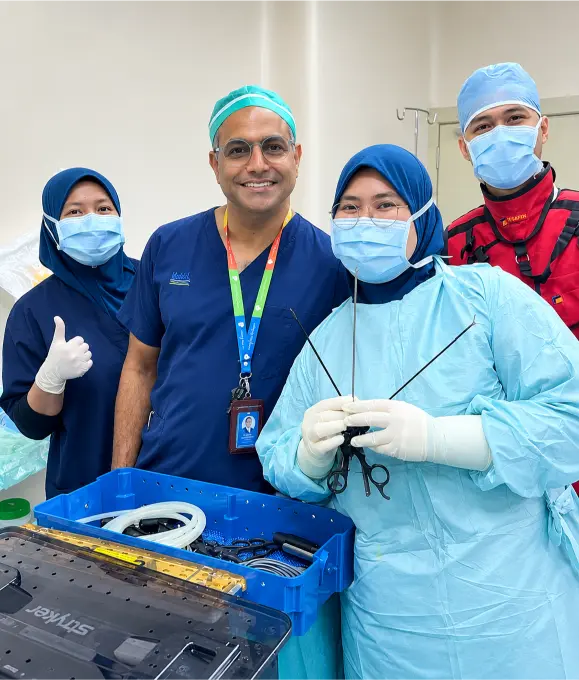
Dr. Nada’s neonatal surgery service includes minimally invasive or laparoscopic surgery as an approach that may be considered for selected neonatal surgical conditions. The practice’s neonatal surgery information also includes intestinal atresia among the conditions managed.
However, laparoscopic surgery is not suitable for every newborn with jejunal atresia. The decision depends on the baby’s size and stability, the anatomy of the bowel, the extent of the obstruction and the findings during assessment. The paediatric surgeon can discuss whether a minimally invasive approach is appropriate for an individual baby.
Recovery and Follow-Up After Surgery
Recovery after jejunal atresia surgery varies between newborns. Following the operation, the medical team monitors bowel function, feeding tolerance, hydration, nutrition and the baby’s general condition. The abdomen is also monitored for signs that may require further medical attention.
A newborn may initially need intravenous nutrition while the bowel recovers and begins functioning after surgery. Feeding is generally introduced gradually according to the baby’s clinical progress and the advice of the neonatal and surgical teams.
Follow-up remains important after discharge. The baby’s feeding, nutrition, bowel function, weight gain and growth may need to be monitored, particularly when a significant portion of the intestine has been affected.
Why Early Paediatric Surgical Assessment Matters
Jejunal atresia can cause intestinal obstruction in a newborn and may require surgical management. Early recognition allows the medical team to assess the baby’s condition, provide appropriate stabilisation and determine the next stage of care.
When jejunal atresia is suspected during pregnancy, parents may discuss the diagnosis with their obstetrician, neonatal team and paediatric surgeon before delivery. If the condition is identified after birth, the neonatal and paediatric surgical teams can assess the baby and determine the appropriate management based on the clinical findings.
Jejunal Atresia Neonatal Surgery in Kuala Lumpur, Selangor & Malaysia
Dr. Nada Sudhakaran is a Consultant Paediatric Surgeon based in Kuala Lumpur, Malaysia. His practice provides paediatric surgical assessment for newborns, infants and children, including neonatal surgical conditions. The practice also has a focus on laparoscopic or keyhole surgery where this approach is considered clinically appropriate.
For families in Kuala Lumpur and Selangor, including Petaling Jaya, paediatric surgical assessment can provide an opportunity to discuss a newborn’s diagnosis, the nature of the intestinal obstruction and the available surgical approaches. Treatment recommendations are made according to the individual baby’s clinical condition rather than using the same approach for every child.
The professional qualifications and registration details displayed on the practice website should be reviewed and verified by the practice before publication on this page.
Frequently Asked Questions
Yes. Jejunal atresia is a congenital condition affecting the small intestine. The affected section of bowel does not form a normal passage, which can result in intestinal obstruction after birth.
Jejunal atresia can sometimes be suspected during pregnancy through ultrasound findings. However, prenatal imaging does not identify every case, and some newborns are diagnosed only after delivery.
When jejunal atresia produces a significant intestinal obstruction, surgical repair is generally required. The timing and type of surgery depend on the baby's condition and the characteristics of the affected bowel.
Laparoscopic surgery may be considered in selected cases. It is not appropriate for every newborn, and the decision depends on factors such as the baby's condition, anatomy and the extent of the intestinal problem.
Recovery differs between newborns. The time required depends on the extent of the bowel condition, the operation performed, how the bowel functions after surgery and the baby's nutritional requirements.
Parents should discuss the diagnosis with their obstetric and neonatal teams and seek appropriate paediatric surgical assessment. This allows the baby's condition and possible management options to be discussed before or after delivery, depending on the circumstances.
Paediatric Surgical Consultation in Kuala Lumpur & Selangor
If your newborn has been diagnosed with or is suspected to have jejunal atresia, a paediatric surgical consultation can help parents understand the condition and the treatment options that may be considered. Dr. Nada provides paediatric surgical consultations in Kuala Lumpur and Petaling Jaya, Selangor, Malaysia. The appropriate treatment approach is determined after assessment of the individual baby’s condition.
Dr. Nada provides paediatric surgical assessment for newborns with jejunal atresia in Kuala Lumpur and Selangor. Contact Dr. Nada to discuss your baby’s condition and possible surgical management.