

A diaphragmatic hernia occurs when there is a defect or opening in the diaphragm, allowing abdominal organs to move into the chest. In neonates, this can affect breathing and lung development and may require specialist paediatric surgical care.
Diaphragmatic hernia in neonates requires careful assessment of the baby’s respiratory condition, lung development, the size and location of the diaphragmatic defect and the organs involved.
Dr Nada Sudhakaran is a Consultant Paediatric Surgeon and Urologist providing specialist paediatric surgical services in Malaysia. He has more than 20 years of experience in laparoscopic surgery and provides assessment and surgical treatment options for neonates requiring paediatric surgical care.
The diaphragm is a muscle that separates the chest from the abdomen and helps with breathing. A diaphragmatic hernia occurs when there is a defect in the diaphragm that allows abdominal organs to move into the chest. When this occurs in a neonate, the displaced abdominal organs may reduce the space available for the lungs. The effect can vary between babies and may be associated with breathing difficulties after birth. A diaphragmatic hernia may be identified during pregnancy or after delivery, depending on the individual case.
Diaphragmatic hernia in neonates requires specialist assessment because the baby’s breathing and lung function may be affected. After birth, a neonate may require stabilisation and specialised neonatal care before diaphragmatic hernia surgery can be considered. Surgery is generally planned when the baby’s condition is sufficiently stable for repair. The timing of surgery depends on the baby’s respiratory status, lung development, response to initial management and overall clinical condition. The care of a neonate may involve a paediatric surgeon, neonatologist and other specialists working together as required.
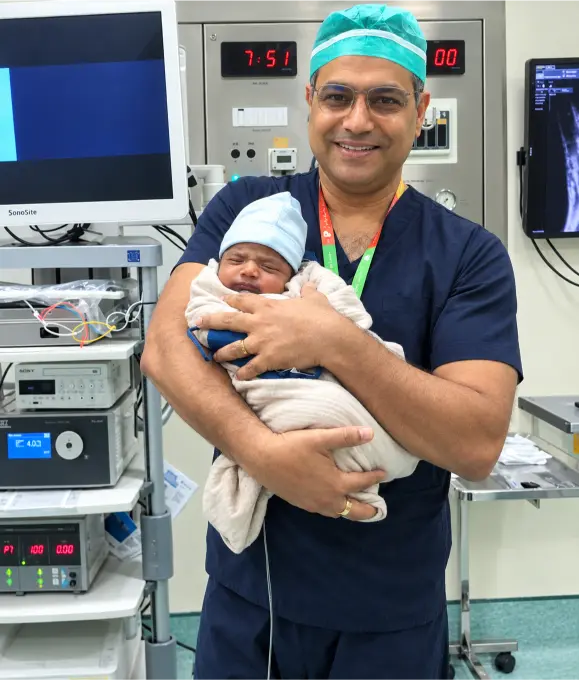
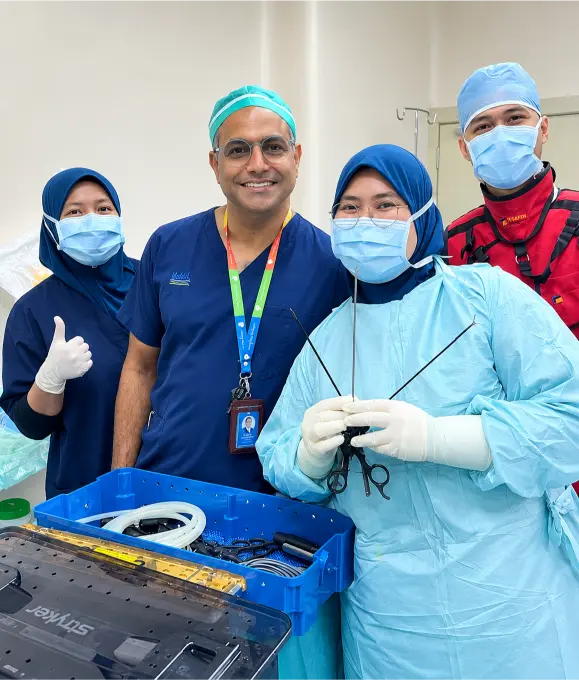
The aim of diaphragmatic hernia repair is to return the displaced abdominal organs to the abdomen and repair the defect in the diaphragm.
Before surgery, the surgical team assesses factors including:
This assessment helps determine whether laparoscopic surgery is appropriate and when the repair can be performed.
Diaphragmatic hernia laparoscopic surgery is a minimally invasive approach that uses a camera and specialised surgical instruments through small incisions. For selected neonates, diaphragmatic hernia laparoscopic repair may be considered. The suitability of this approach depends on the baby’s clinical condition, respiratory status, lung development and characteristics of the diaphragmatic defect. In neonates, stabilisation is an important part of care before surgery. The timing and surgical approach are determined based on the individual baby’s condition.
Before diaphragmatic hernia laparoscopic surgery, the neonate undergoes specialist assessment to understand the condition and determine the appropriate surgical approach. Assessment may include reviewing the baby’s medical history, clinical findings, imaging and other relevant investigations. The surgical team may also assess respiratory status, lung development and the baby’s response to neonatal management. Dr Nada discusses the findings and available surgical options with the parents or caregivers. The recommended approach and timing of surgery depend on the individual neonate.
If your neonate has been diagnosed with a diaphragmatic hernia, specialist assessment can help determine the appropriate surgical approach.
A diaphragmatic hernia occurs when there is a defect or opening in the diaphragm that allows abdominal organs to move into the chest. In a neonate, this may affect breathing and lung development.
Surgery may be required to repair the diaphragmatic defect. However, the timing of surgery depends on the baby's clinical condition, respiratory status and response to initial neonatal care.
Diaphragmatic hernia repair involves returning the displaced abdominal organs to the abdominal cavity and repairing the defect in the diaphragm. The surgical approach depends on the individual neonate's condition.
Laparoscopic diaphragmatic hernia surgery may be considered for selected neonates. The suitability of laparoscopic surgery depends on the baby's condition, respiratory status and characteristics of the diaphragmatic defect.
Dr Nada provides specialist paediatric surgical services at Pantai Hospital Kuala Lumpur and Assunta Hospital Petaling Jaya. Parents can arrange an assessment to discuss their neonate's condition and available surgical options.