

Intestinal atresia is a congenital condition where part of a baby’s intestine is blocked or has not formed normally. This can prevent milk and digestive contents from passing through the bowel. At Kids Laparoscopy, Dr Nada provides specialist paediatric surgical care for newborns with intestinal atresias, helping parents understand the condition and the treatment options available for their baby.
Intestinal atresia is a type of birth defect that causes a blockage in the digestive tract. It can affect different parts of the small intestine, including the duodenum, jejunum and ileum. A complete blockage is called atresia, while a partial narrowing is known as stenosis. Because the intestine is blocked, food and digestive fluids cannot move through the affected area normally. Newborns may therefore need specialist assessment soon after birth.
Some intestinal atresias may be identified during pregnancy through ultrasound. In other cases, the condition becomes noticeable after birth when the baby develops symptoms of intestinal obstruction. Newborns may have feeding difficulties, vomiting, abdominal swelling or difficulty passing stool. The symptoms can vary depending on where the blockage is located.Early assessment is important so that the baby can be stabilised and the surgical team can determine the most appropriate treatment.
Intestinal atresia develops before birth when a section of the intestine does not form normally or its blood supply is disrupted during development. There can be different types of intestinal atresia, and some babies may also have other congenital conditions. For this reason, doctors may recommend additional examinations and investigations after diagnosis.
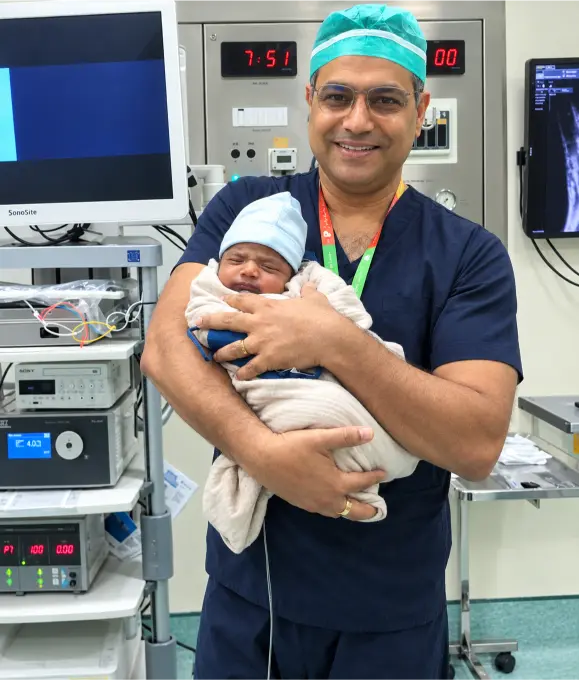
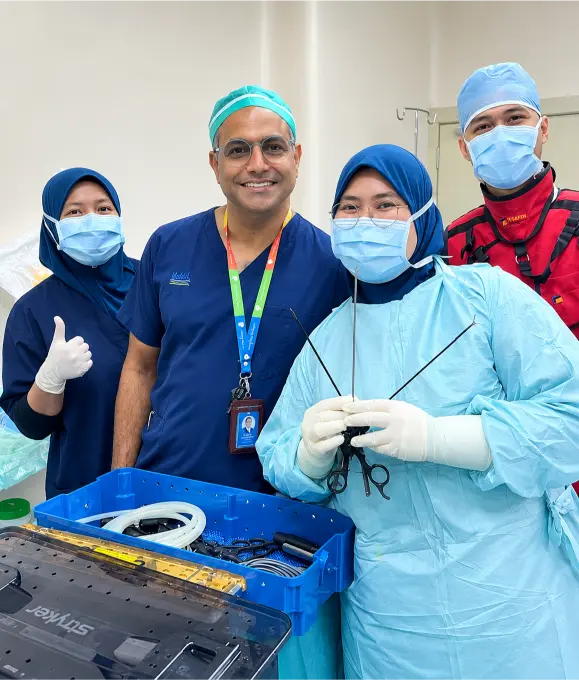
Some babies are suspected of having intestinal atresia before birth. Ultrasound may show signs such as enlarged bowel loops or increased amniotic fluid. Certain types of intestinal blockage may also show a characteristic appearance on prenatal imaging. After birth, doctors may use an abdominal X-ray, ultrasound or other imaging tests to understand the location and severity of the blockage.
Intestinal atresia usually requires surgical treatment because the affected section prevents normal movement through the bowel. Before surgery, the newborn is stabilised and may receive intravenous fluids and other supportive care. A tube may also be used to drain the stomach and reduce pressure on the digestive system. The timing and type of surgery depend on the baby’s condition, the location of the atresia and whether other problems are present.
The main aim of surgery is to restore a pathway through the intestine so that food and digestive contents can pass normally.
Depending on the type and location of the atresia, the surgeon may remove the blocked or damaged section and reconnect the healthy ends of the bowel. In some cases, a temporary stoma may be considered based on the baby’s condition and the appearance of the intestine.
Every newborn is different, so the surgical approach is carefully planned around the baby’s individual needs.
Keyhole Surgery in Malaysia
Keyhole surgery, also known as minimally invasive surgery, uses small openings and a camera to allow the surgeon to view and operate inside the abdomen. For selected babies, minimally invasive techniques may be considered for intestinal surgery. However, keyhole surgery Malaysia options are not suitable for every newborn. The safest approach depends on the baby’s size, condition, anatomy and type of intestinal atresia. Dr Nada will assess the baby carefully before discussing whether a minimally invasive approach may be appropriate.
Care After Intestinal Atresia Surgery
After surgery, newborns need close monitoring while the intestine begins to recover. Feeding is usually introduced gradually based on the baby’s condition and bowel function. Some babies may initially need intravenous nutrition or tube feeding while their digestive system recovers. Follow-up is important to monitor feeding, growth and overall recovery.
Specialist Paediatric Surgical Care With Dr Nada
A diagnosis of intestinal atresia can be worrying for new parents. Dr Nada, Consultant Paediatric Surgeon and Urologist, provides specialist assessment and surgical care for children with congenital conditions requiring paediatric surgery.
Parents are given clear information about the diagnosis, treatment options and expected care. The surgical plan is tailored to the individual needs of each newborn.
Intestinal atresia is a congenital blockage where part of the intestine has not formed normally or does not have a normal opening. It can affect different sections of the small intestine.
Newborns may develop feeding difficulties, vomiting, abdominal swelling or problems passing stool. Symptoms depend on the location and severity of the blockage.
Yes. Some cases can be suspected during pregnancy through ultrasound or other prenatal imaging.
Most cases require surgical repair because the blockage prevents normal passage through the intestine. The baby is usually stabilised before surgery.
Minimally invasive surgery may be considered for selected babies. The appropriate surgical method depends on the baby’s condition, anatomy and type of atresia.